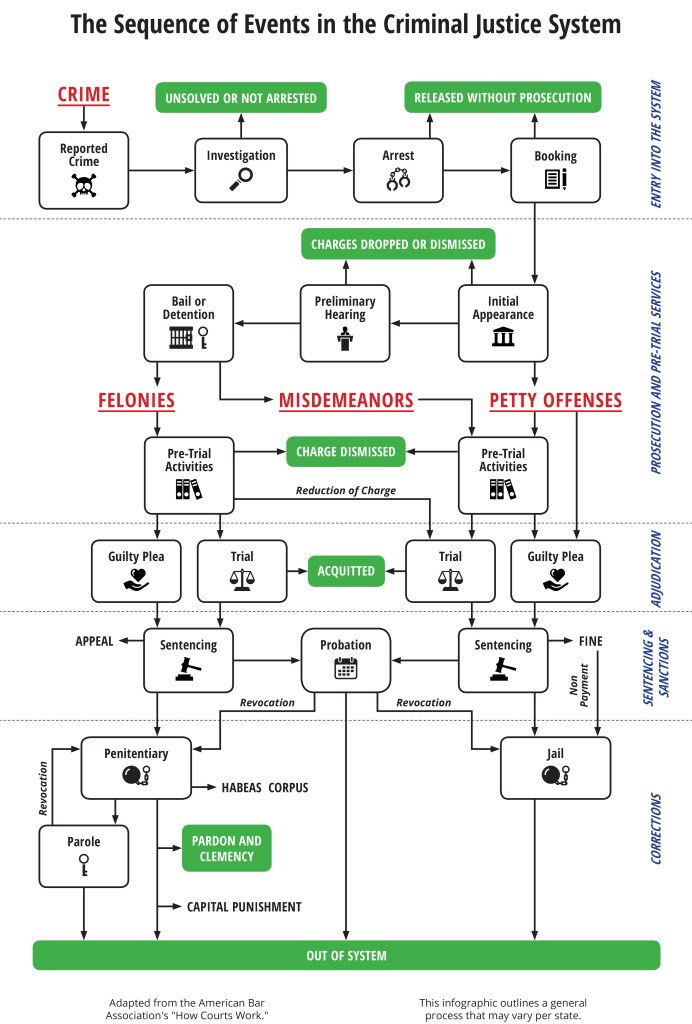
When a legal dispute unfolds, whether it's a heated civil disagreement or a grave criminal accusation, the core of how justice is sought and delivered lies within Trial Proceedings & Legal Outcomes. These are not just technical terms; they represent the rigorous, often dramatic, journey through the courts that ultimately determines rights, responsibilities, and even freedom. Understanding this intricate process is key to grasping the very foundation of our legal system, how disputes are resolved, and the profound impact these decisions have on individuals and society at large.
At a Glance: Key Takeaways on Trial Proceedings & Legal Outcomes
- More Than Evidence: Trial outcomes are swayed by how evidence is presented, juror perceptions, legal strategies, psychological factors, and even media influence—not just the raw facts.
- Three Main Paths: Cases conclude through formal verdicts (guilty/not guilty), out-of-court settlements, or dismissals due to procedural issues or insufficient evidence.
- Structured Journey: A trial follows distinct stages, from initial filing and arraignment to evidence presentation, deliberations, and the final verdict.
- Key Players: Judges, prosecutors, defense attorneys, witnesses, and court staff all have critical roles in ensuring due process.
- Rules Matter: Strict legal rules govern everything from evidence admissibility to witness examination, ensuring fairness and consistency.
- Beyond the Courtroom: Alternatives like plea bargaining and mediation resolve many cases without a full trial, offering efficiency but sometimes raising concerns about justice.
- Not Always Final: Legal outcomes can be challenged through appeals, ensuring accountability and reviewing for legal errors.
- Evolving Landscape: Technology, social media, and a growing emphasis on alternative dispute resolution continue to shape how trials are conducted and outcomes are reached.
The Heart of Justice: What Are Trial Proceedings & Legal Outcomes?
At its essence, a trial proceeding is the structured, formal process by which a court examines and resolves a legal dispute. It's where facts are laid bare, arguments are made, and the scales of justice are put to the test. Legal outcomes, then, are the final decisions or resolutions reached at the conclusion of these proceedings.
These outcomes aren't merely administrative formalities. They are the bedrock upon which justice is built, serving to resolve conflicts, uphold societal norms, and establish crucial legal precedents that guide future cases. From shaping individual lives to influencing broad legal interpretations, every verdict, settlement, or dismissal reverberates through the legal landscape, reflecting and often redefining our collective understanding of fairness and law.
Behind the Gavel: Key Factors Shaping Outcomes
While many assume trials are purely about objective evidence, the reality is far more nuanced. A complex interplay of human elements and strategic decisions profoundly influences how cases conclude.
The Power of Presentation: Evidence at Center Stage
Imagine two identical sets of facts presented to a jury. The outcome could still be wildly different based on how that information is delivered. The clarity, relevance, credibility, and sheer persuasive power of evidence—be it a witness’s heartfelt testimony, a detailed document, a compelling physical exhibit, or an expert’s intricate evaluation—can dramatically sway a judge or jury. Attorneys aren't just presenting information; they're crafting a narrative designed to resonate and persuade. To grasp this more fully, consider delving deeper into legal evidence and its intricate rules.
The Human Element: Juror Perception
Jurors are not blank slates. They bring their own personal biases, life experiences, and emotional responses into the deliberation room. How they interpret evidence is influenced not only by its presentation but also by their individual backgrounds, the dynamics within the jury room, and even external factors like media portrayal. A compelling story or a sympathetic witness can subtly, yet powerfully, shift their perspective on guilt or liability.
Crafting the Narrative: Legal Strategies
Legal strategy is akin to a high-stakes chess match. The effectiveness of the defense's and prosecution's approaches—from their opening and closing statements, to their witness examinations, to their ability to weave a compelling narrative and adapt to their opponent's moves—can fundamentally alter how evidence is perceived and understood. Seasoned attorneys leverage legal precedents, anticipate juror reactions, and construct arguments designed to dismantle the opposition's case while bolstering their own.
The Unseen Hand: Psychological Factors
Beyond conscious strategy, subtle psychological forces are at play. Cognitive biases, such as confirmation bias (where jurors favor information confirming existing beliefs) or the framing effect (how information is presented impacts choices), can influence decision-making. Emotional connections to specific aspects of a case, perhaps a victim's narrative, and even the perceived authority or demeanor of witnesses, all contribute to how information is processed and verdicts are ultimately reached.
The Public Eye: Media Influence
In high-profile cases, extensive media coverage can shape public sentiment and, sometimes, even influence potential jurors. Preconceived notions about guilt or innocence can form long before a trial begins, making the selection of an unbiased jury a significant challenge. This broad societal discourse can also impact the wider understanding of legal principles and even put pressure on the judicial process itself.
Understanding the Verdict: Types of Legal Outcomes
Legal cases don't always end with a dramatic jury announcement. In fact, most resolve in one of three primary ways, each with distinct implications.
Verdicts: The Court's Official Pronouncement
A verdict is the formal conclusion reached by a jury or judge after all evidence has been presented and arguments made. In criminal cases, this typically means "guilty" or "not guilty," determining the defendant's culpability and leading to potential sentencing. In civil cases, a verdict will favor either the plaintiff or the defendant, often involving a judgment for monetary damages or a specific action. A verdict represents the court's definitive, legally binding answer to the dispute at hand.
Settlements: Reaching an Agreement
Many cases, particularly civil ones, never make it to a full trial. Instead, parties may reach a settlement: a mutually agreed-upon resolution that avoids the time, expense, and uncertainty of a formal verdict. Settlements can be reached at any point, from before a complaint is even filed to mid-trial deliberations. They offer a pragmatic way to resolve disputes, allowing parties to maintain some control over the outcome rather than leaving it entirely to a judge or jury.
Dismissals: Ending Before a Full Trial
A dismissal occurs when a case is terminated without a trial or a formal verdict. This can happen for various reasons, such as insufficient evidence presented by the prosecution or plaintiff, significant procedural issues (e.g., evidence obtained illegally), or even a mutual agreement between parties that the case should not proceed. Dismissals can also result from a judge ruling that a claim lacks legal merit. They effectively end the litigation, though in some instances, a case might be re-filed if the underlying issues can be remedied.
From Complaint to Courtroom: Navigating Trial Proceedings
The journey through the court system is a carefully choreographed process, governed by strict rules and involving specific roles.
The Journey Through a Trial: Key Stages
Every trial, whether simple or complex, follows a relatively consistent series of stages designed to ensure due process and a fair hearing.
- Initiation: It all begins with a formal accusation. In a criminal case, this is an indictment from a grand jury or an information filed by a prosecutor. In civil cases, it's the filing of a complaint by a plaintiff.
- Arraignment: For criminal defendants, this is the formal reading of charges in court, where they enter a plea (typically guilty, not guilty, or no contest).
- Preparation (Discovery): Both sides engage in "discovery," a crucial phase where they gather evidence, exchange information, interview potential witnesses, and conduct depositions. This stage is vital for understanding the opposing side's case and preparing arguments.
- Trial Commencement: The trial officially begins with jury selection (if applicable), followed by the judge's preliminary instructions. Then, the prosecution or plaintiff's attorney delivers their opening statement, outlining the case they intend to prove. The defense follows with their own opening statement, often challenging the initial narrative.
- Presentation of Evidence: This is often the longest and most central stage. Witnesses are called to the stand, provide testimony under direct examination (by their own side), and then face cross-examination from the opposing counsel. Physical exhibits, documents, and expert evaluations are introduced and scrutinized. Understanding the nuances here is vital; for instance, you might want to consider delving deeper into legal evidence.
- Conclusion: After all evidence has been presented, both sides deliver their closing arguments, summarizing their case, highlighting key evidence, and attempting to persuade the judge or jury to their perspective.
- Deliberation: The judge (in a bench trial) or the jury retires to consider the evidence and arguments presented. They discuss, weigh the facts against the law, and strive to reach a decision.
- Verdict: Once a decision is reached, it is announced in court.
- Post-Verdict: Depending on the verdict, further actions may be taken. In criminal cases, a guilty verdict leads to sentencing. In both civil and criminal cases, the losing party may have options for appeals or other post-trial motions.
Who's Who in the Courtroom: Essential Roles
A trial is a meticulously organized endeavor, with each participant playing a defined and critical role.
- Judges: The ultimate arbiters of the courtroom. Judges oversee the entire trial, ensuring legal rules and procedures are followed. They interpret the law, rule on motions, decide which evidence is admissible, and, in bench trials, deliver the verdict and impose sentences.
- Prosecutors (Criminal Cases): Representing the state or federal government, prosecutors are responsible for presenting evidence to establish the defendant's guilt beyond a reasonable doubt. Their duty is to seek justice, not merely conviction.
- Defense Attorneys: These legal professionals represent the accused. Their primary role is to protect their client's rights, challenge the prosecution's evidence, and present arguments or evidence that supports their client's innocence or mitigates guilt.
- Witnesses: Individuals who provide testimony. Factual witnesses offer firsthand accounts of events, while expert witnesses provide specialized opinions in their field (e.g., forensic scientists, medical doctors) to help the court understand complex evidence.
- Support Personnel: Essential to the smooth functioning of the court. Court reporters meticulously transcribe every word spoken during proceedings, creating the official record. Clerks manage documents, assist judges and attorneys, and handle administrative tasks.
The Rules of the Game: Procedures and Evidence
The integrity of trial proceedings hinges on a robust framework of rules and procedures. Statutory laws, court regulations, and detailed procedural codes dictate every aspect of a trial, from jury selection to the types of questions attorneys can ask. These rules ensure due process, consistency, and fairness.
Evidence, the lifeblood of any trial, is classified into several types:
- Testimonial Evidence: Statements made under oath by witnesses.
- Documentary Evidence: Written or recorded materials, such as contracts, emails, medical records, or photographs.
- Physical Evidence: Tangible items directly linked to the case, like weapons, clothing, or DNA samples.
Crucially, all evidence must meet strict admissibility criteria to be presented in court. It must be relevant to the case, authentic (proven to be what it claims to be), and reliable. Attorneys use methods like direct examination (questioning their own witnesses) and cross-examination (questioning opposing witnesses) to present and challenge evidence, aiming to bolster their case and expose weaknesses in the other side's.
Beyond the Courtroom: Alternatives, Challenges, and Evolution
While the image of a formal trial dominates popular culture, the reality of legal proceedings is often more complex, involving alternatives, facing persistent challenges, and constantly adapting to a changing world.
Seeking Resolution Outside Trial: Plea Bargaining & Settlement
The vast majority of legal disputes, particularly criminal cases, are resolved without a full trial.
- Plea Bargaining: In criminal cases, this is a negotiation between the prosecutor and the defense attorney. The defendant agrees to plead guilty to a lesser charge or in exchange for a lighter sentence. This offers benefits like expedited case resolution, reduced court backlogs, and cost savings for the justice system and the accused. However, it can raise concerns about fairness, especially for defendants who might feel pressured to accept a deal even if they believe they are innocent.
- Settlement: In civil cases, settlements involve direct negotiations to reach a mutual agreement between parties, as discussed earlier. These pragmatic resolutions avoid the uncertainty and expense of trial.
Both plea bargaining and settlement are critical mechanisms for managing an overloaded legal system, offering efficiency and an element of control over the outcome.
The Bumpy Road: Common Challenges in Trial Proceedings
Despite the structured nature of trials, they are far from perfect and often face significant hurdles.
- Procedural Complexities: The sheer volume of rules, from jurisdictional disputes to the admissibility of highly technical evidence, can lead to frequent delays, adjournments, and lengthy pre-trial motions.
- Rules Violations: Mistakes can happen, or improper actions might occur, such as the accidental admission of inadmissible evidence, which can lead to mistrials or successful appeals.
- Human Factors: The credibility of witnesses can be called into question, leading to conflicting testimonies. Complex evidence, such as scientific data, can be difficult for judges and juries to fully comprehend, potentially impacting their decisions.
- Delays: Cases can drag on for years due to a multitude of factors, from crowded court dockets to complex discovery phases or unforeseen scheduling conflicts.
When the Dust Settles: Appeals and Post-Trial Procedures
A trial verdict is not necessarily the final word. The legal system includes mechanisms to review judgments for errors and ensure accountability. For example, if you're interested in how the appeals process works, it allows a higher court to review the proceedings of a lower court for legal errors. This isn't a retrial of the facts but rather an examination of whether the law was applied correctly and if due process was followed. Successful appeals can lead to a new trial, a modified judgment, or even an outright reversal of the original decision.
Beyond appeals, other post-trial procedures include motions for reconsideration (asking the trial judge to review their own decision) or motions for a new trial, typically based on newly discovered evidence or serious legal errors.
The Shifting Sands of Justice: An Evolving Landscape
The legal landscape, including how trial proceedings and legal outcomes are shaped, is not static. It's continually evolving, driven by technological advancements, societal shifts, and new approaches to dispute resolution.
- Technology's Role: Artificial intelligence is beginning to assist in legal research, predict potential outcomes, and analyze vast amounts of data, though its role in actual courtroom decision-making remains carefully controlled. Virtual courtrooms and electronic evidence management are also becoming more common.
- Social Media's Influence: The pervasive nature of social media can impact public sentiment, potentially tainting jury pools, and often introduces new forms of evidence that courts must learn to handle.
- Alternative Dispute Resolution (ADR): Increasingly, courts encourage or even mandate alternatives to traditional trials, such as mediation and arbitration. These methods, often explored by those seeking alternatives like mediation and arbitration, offer more flexible, less adversarial, and often faster resolutions outside the formal courtroom.
- Diversity in Juries: There's a growing emphasis on ensuring juries reflect the diverse demographics of their communities. This aims to counter inherent biases and promote fairer outcomes, recognizing the intricate process of jury selection and deliberation is a cornerstone of justice. Furthermore, understanding the fundamental differences, such as the distinctions between criminal and civil cases, continues to be critical for the public and legal professionals alike.
Debunking the Myths: Common Misconceptions About Trial Outcomes
The legal system, often dramatized in media, is ripe with misconceptions that can skew public understanding. Let's clarify a few:
- Myth 1: Trial outcomes are solely driven by irrefutable evidence.
- Reality: While evidence is paramount, as we've discussed, outcomes are influenced by a multitude of factors: presentation style, juror biases, legal strategies, psychological impacts, and even media coverage. The "best" evidence poorly presented can be less persuasive than weaker evidence compellingly argued.
- Myth 2: Jurors are immune to personal biases and decide purely on facts.
- Reality: Jurors are human. Despite sincere efforts to remain impartial, their personal backgrounds, experiences, beliefs, and even subconscious biases can subtly influence how they interpret evidence and arrive at a verdict. The goal of jury selection is to identify and minimize these biases, not to eliminate them entirely.
- Myth 3: A guilty verdict always guarantees "moral justice."
- Reality: The legal system prioritizes procedural correctness and adherence to established laws. A verdict reflects whether the prosecution or plaintiff met their legal burden of proof, not necessarily whether a divine sense of "moral justice" was achieved. Complex cases, conflicting testimonies, and legal technicalities can sometimes lead to outcomes that feel unsatisfying from a moral standpoint, yet are legally sound.
- Myth 4: Once a verdict is rendered, the outcome is always final.
- Reality: This is a significant misconception. As noted, legal outcomes can be challenged through appeals to higher courts, motions for new trials, or other post-trial procedures. The appeals process is a crucial safeguard, designed to correct legal errors that may have occurred during the trial.
Your Role in Understanding Justice: What This Means for You
Navigating the world of Trial Proceedings & Legal Outcomes reveals a system that is both robust and inherently human. It’s a process shaped by law, strategy, psychology, and the fundamental pursuit of fairness. Understanding these complexities isn't just for legal professionals; it empowers every citizen to better comprehend current events, engage critically with legal discussions, and appreciate the intricate dance that dictates how justice is served in our society.
Whether you're a curious observer, a potential juror, or someone facing a legal challenge, an informed perspective is your greatest asset. It allows you to see beyond the headlines and appreciate the meticulous effort, the profound stakes, and the myriad factors that truly determine court case resolutions. To dive deeper into the human stories behind these legal processes, you might want to explore gripping legal narratives like Murder on Maple Drive.